It wasn’t that long ago that you could tap into just about any wire on a vehicle and get a signal you needed—the backup lights to get a reverse signal or an ignition wire under the dash to switch a load with only the key in. Today, practically every module, switch, and motor have computers, which makes tapping wires impossible without risking damage, voiding a warranty, or splicing the wrong wire.
In addition, OEMs are locking down, encrypting, and hiding data signals to stay protected from hackers and to avoid grey market modules and dongles doing real harm to vehicles by interfering with vehicle data buses and signals. They must make difficult choices about what signals to provide, in what conditions, and how they produce those signals. Even if those signals are made available, they still might not be provided in a form that’s easy to use.
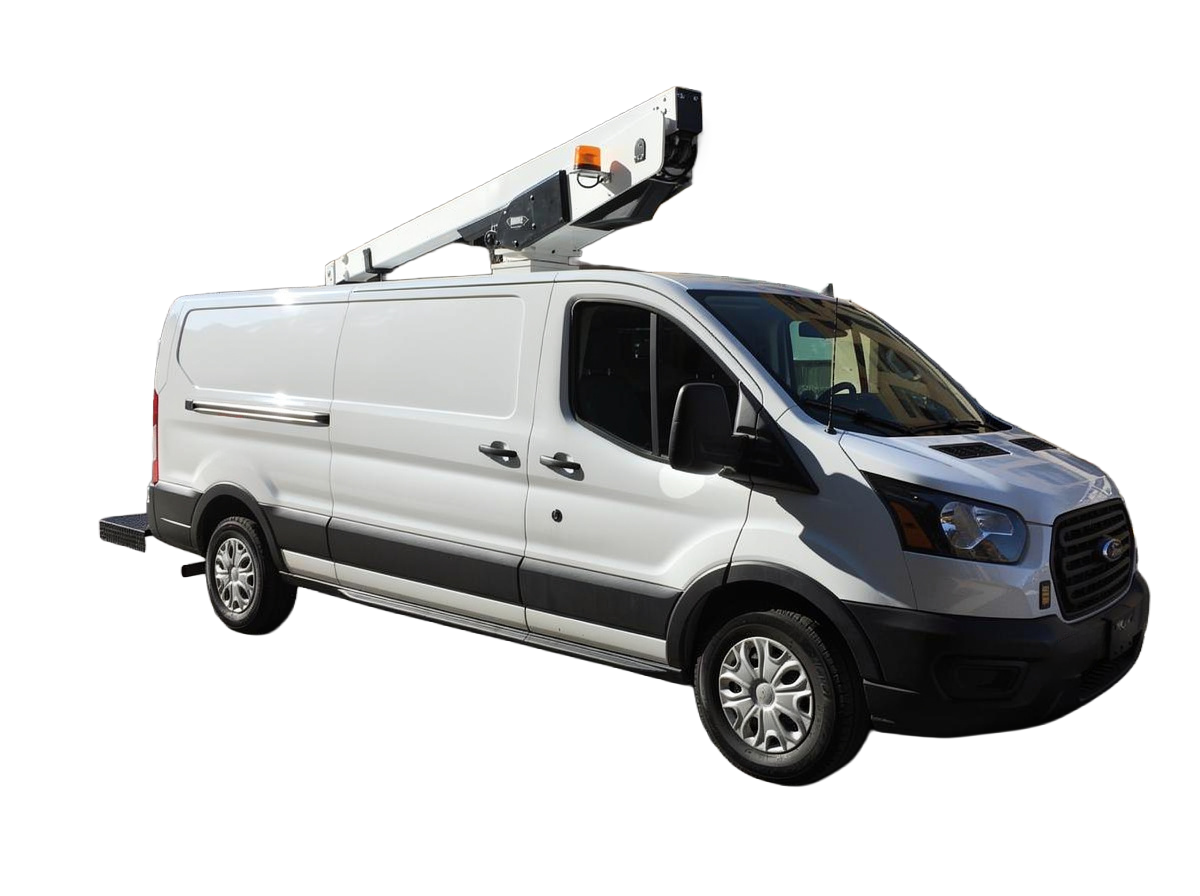
It’s never simple for an upfitter to take a stock vehicle, bolt on a few extra lights, do some body work, put on a nice wrap, and call it a day. Government regulations and industry safety protocols require added safety features like lockouts, interlocks, and warning lights. Anti-idle and other eco-conscious regulations require that engines run minimally or not at all. Other times the engine must run, usually above the normal idle RPM, to recharge batteries or run auxiliary equipment.
Fulfilling any of those requirements requires a level of interface with the vehicle and its electronics. Successfully making that interface requires ever greater levels of training and sophistication that can quickly go obsolete with every significant model year overhaul. In today’s tight job market, with America re-shoring a wide range of manufacturing, skilled technicians who can keep up with the rapidly advancing technology are in high demand.
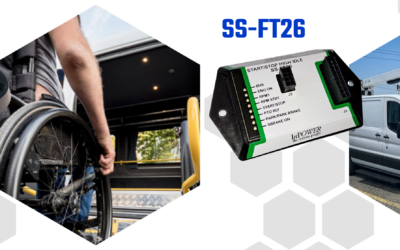
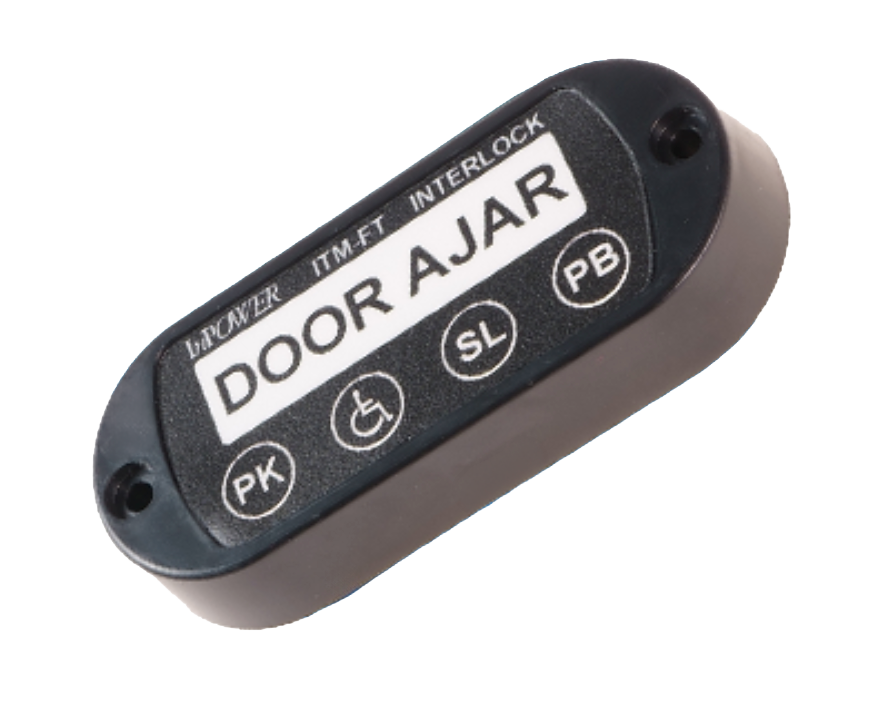
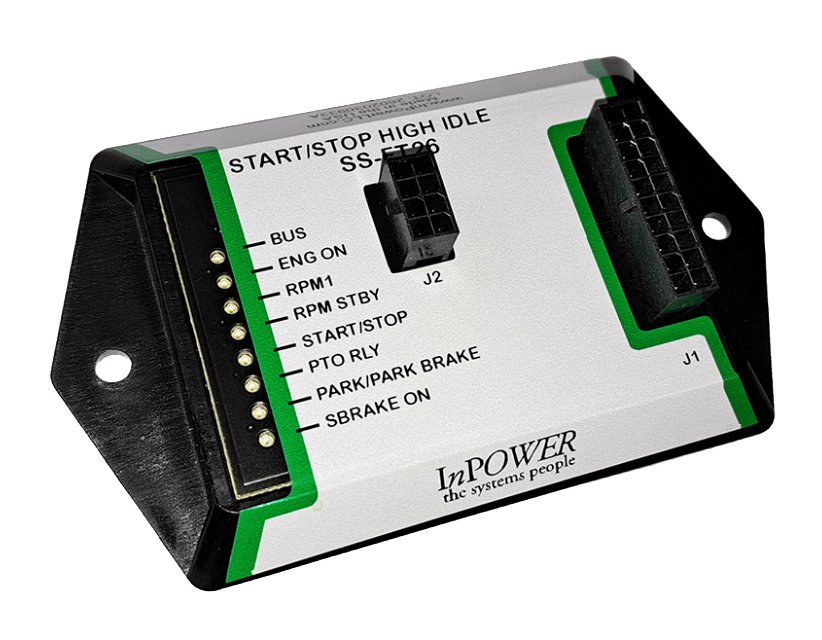
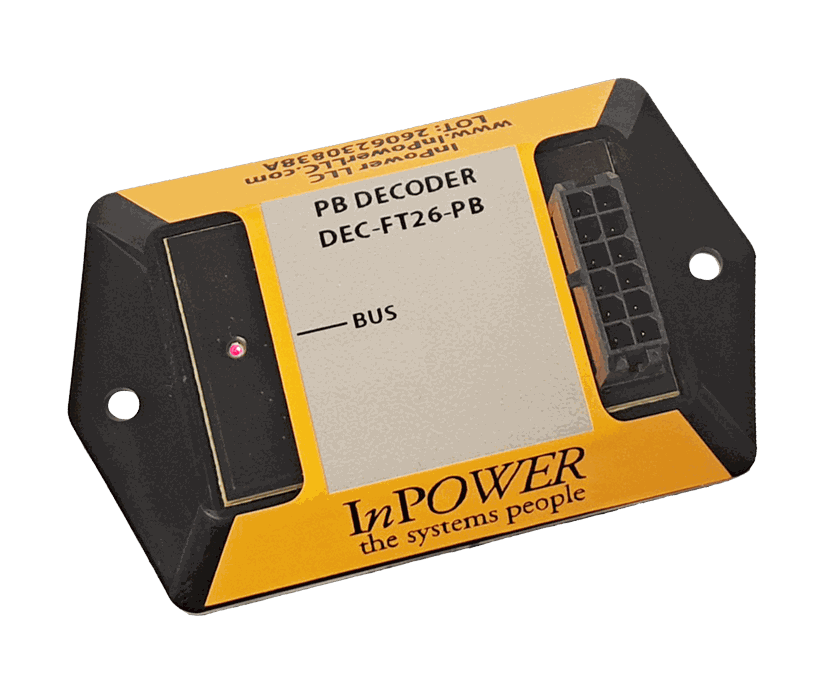
Since its founding in 2002, one of InPower’s core objectives has been keeping up with the rapidly changing demands of properly interfacing with OEM chassis. InPower’s decoders for Ford and GM vehicles, make difficult-to-locate signals available in forms easy for upfitters and integrators to use. These signals can be as simple as a park/park brake signal (often difficult to obtain with today’s e-brakes), or a door lock/unlock signal from a fob or a switch. They can also be as sophisticated as providing a +12V output signal when certain combinations of vehicle conditions have been met. InPower’s idle management products can provide both idle mitigation with our start/stop products, or simple high-idle controls. InPower’s chassis interface products can also be integrated with our battery and DC power management products, saving upfitters design and development costs across many areas.
Come by our booth (#S4063) and talk to us about your needs.