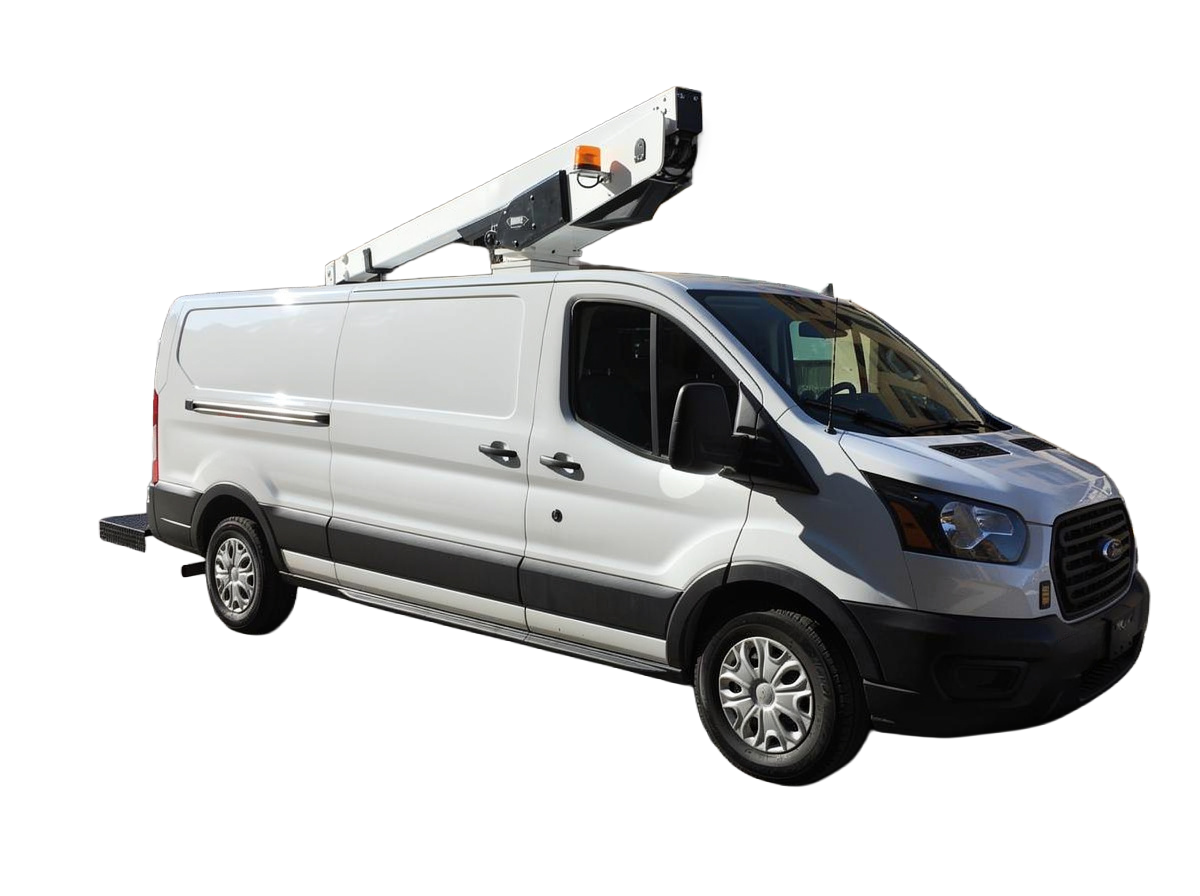

Idle work trucks are very rarely truly idle. The engine is always working to keep the truck’s lights on in the dark and temps warm in the winter and cool in the summer. In addition, it’s always generating useful power that can be converted into torque for mechanical applications, pressure for hydraulics, or electricity for everything from lights and radios to vital life-saving incubators in ambulances. However, these functions only work if the idle RPM can be raised above the minimum speed. The more control an upfitter has over the idle operation, the more power an idling truck can provide when needed.
Most work trucks today have basic OEM-provided idle-control functions to cover the fundamental scenarios upfitters encounter. These built-in controls offer one or two preset high RPM settings and tie them into a couple of switches or automatic operations. These OEM controls are very often one-size-fits-most and have limitations and restrictions. Think of them as sweatpants—they cover you, but they’re not robust, not tailored to your size, and not suitable for all scenarios.
Many applications require greater control and flexibility in engine idle RPM management. Some may need a range of available RPM speeds to run different equipment packages while others require an RPM that responds to electrical load demand to protect the batteries (Charge Protect). They all require fuel usage mitigation for economic reasons and to reduce tailpipe emissions. What does all this mean? Engines need to be shut off entirely when not needed rather than simply dropping the RPM to a lower idle speed.
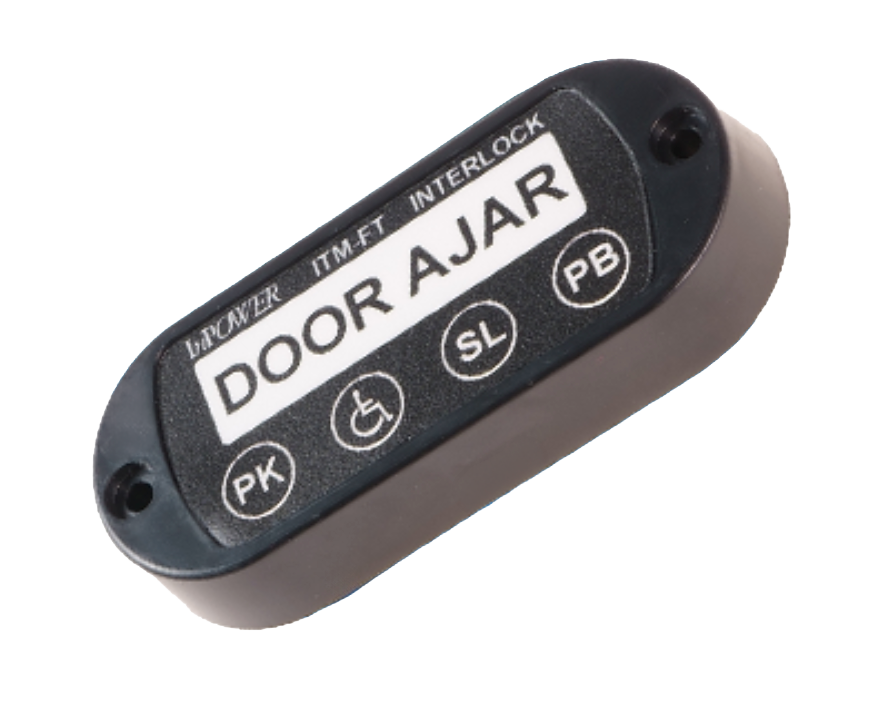
For more than 20 years, InPower has offered idle products for various vehicles and applications. Our throttle controls give upfitters the means to raise engine RPM levels when needed and many of our other products offer multiple idle preset levels and Charge Protect functions above and beyond the basics OEMs provide. They are also easy to install and carefully designed to avoid interfering with OEM vehicle functions.
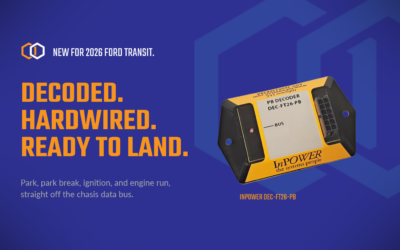
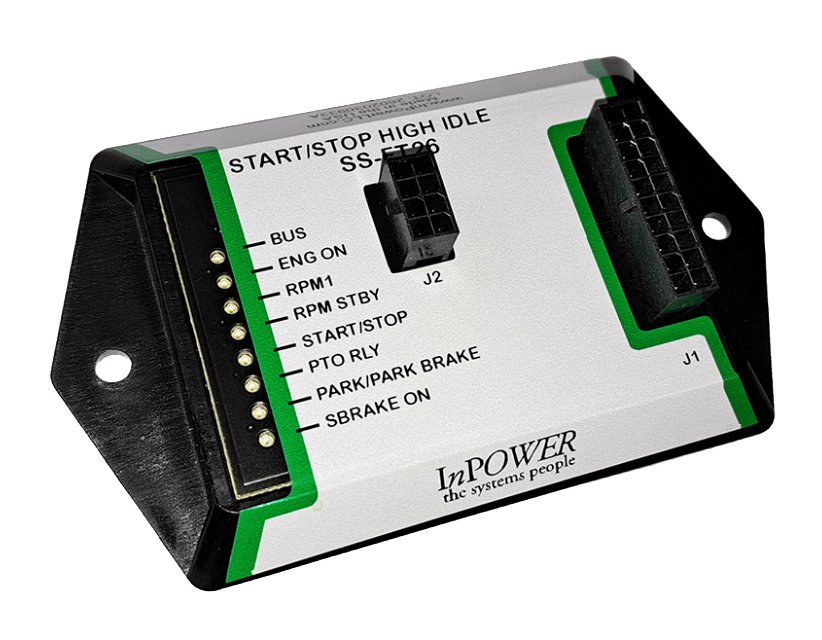
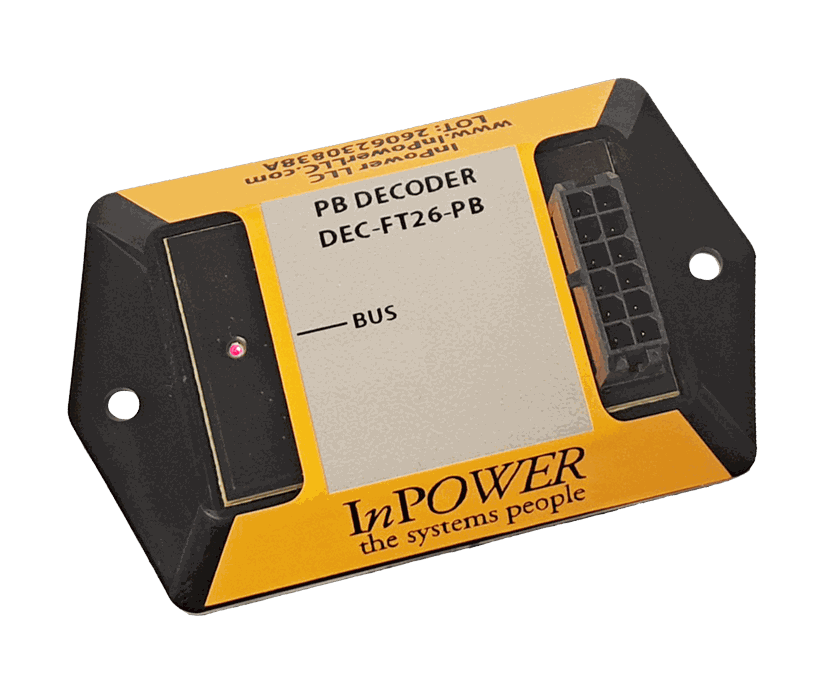
Our Start/Stop controls allow an engine to be entirely shut down when not needed or fired back up on demand, which saves fuel and reduces emissions. Many of our Start/Stop products have integrated high-idle controls, which cut costs for upfitters and installers and allow them to install a single module rather than having to deal with multiple kits. As a bonus, many of our modules give installers dedicated output signals for different chassis conditions helping decode those difficult encrypted OEM signals and further reducing upfit labor and complexity.
If you need to control your vehicle’s idle speed and require more than the OEM basics, check out our Throttle Selector and see if we have a solution for your vehicle. Don’t see your vehicle? Give us a call and tell us about your application—we’re happy to help.